What Exactly Is a Custom Beacon?
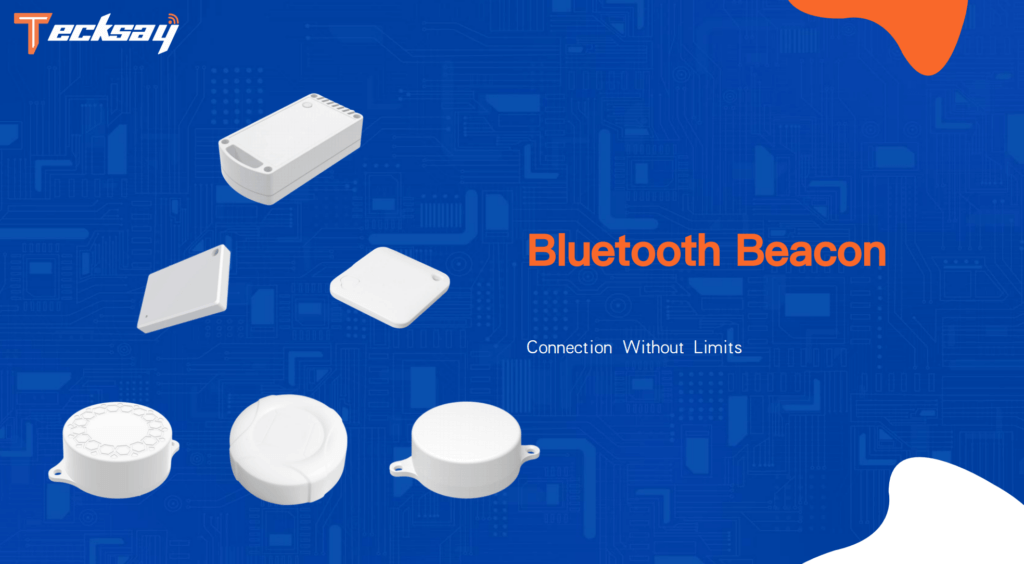
A custom beacon is a Bluetooth Low Energy transmitter that has been prised off the shelf, stripped of its generic plastic, and rebuilt to carry someone else’s face, firmware, or fantasy. It still coughs out a 2.4 GHz packet every second, but the shape, colour, sensor payload, and even the blink pattern now speak a corporate language. Think of it as a lighthouse that can be painted, reshaped, and re-programmed to match the furniture it lives among.
Why Off-the-Shelf Is Never Enough
Retailers want beacons that match Pantone 485 C and slip into a price-tag slot. Museums need units that hide behind 5 mm acrylic without shadowing the art. A theme park demands units shaped like mouse ears that survive being dropped from a roller-coaster. Customisation turns a commodity radio into a piece of scenery, marketing collateral, or industrial jewellery.
Hardware Alchemy: From PCB to Personality
The journey starts with the board: FR4 thickness, antenna shape, and component layout are tweaked to fit a curved housing or a 1 mm wall thickness. Next comes the enclosure—UV-stable polycarbonate for outdoor plazas, anodised aluminium for cold-chain warehouses, or biodegradable PLA for eco-conscious festivals. LEDs, buttons, and sensors (temperature, humidity, accelerometer) are placed where they will not shadow the antenna. The result is a radio that still meets FCC rules but looks like it belongs in a design museum.
Firmware with a Logo
Beyond looks, the firmware carries brand logic. A luxury hotel might request a slow-breathing LED that dims as the guest approaches; a sports stadium wants a rapid flash every time a goal is scored. Rolling identifiers rotate every 15 minutes, but the seed is derived from a company-specific key, ensuring that cloned units fail the authenticity check. Over-the-air updates are signed with the customer’s private key, not the manufacturer’s.
Power Budget: Style Without Compromise
A thinner wall means less space for a battery. Engineers switch to a 150 mAh LiMnO₂ cell and stretch the advertising interval to 2 s when motion is absent. A photovoltaic strip under store spotlights adds 5 µW, enough to keep the unit alive for decades. The LED intensity is capped at 2 mcd so the brand glows, not glares.
Certification Maze: Passing the Test in Style
Custom housings must still survive 1 m drop tests, −20 °C cold soaks, and 8 kV ESD strikes. Antennas detuned by curved plastic are re-tuned with copper tape and laser-trimmed capacitors. A third-party lab issues the same FCC ID, but the test photos show a device that looks nothing like the reference design—proof that compliance and creativity can coexist.
Real-World Chameleons
A theme park hands out wristbands shaped like cartoon rockets; the antenna is hidden in the nose cone. A ski resort embeds beacons into lift passes that flash blue when the wearer is within 10 m of a hot-chocolate kiosk. A pharmaceutical company installs puck-shaped units inside stainless-steel vats; the antenna is routed through a glass porthole, letting the radio survive steam sterilisation.
The Road Ahead: Disposable, Printable, Invisible
Printed antennas on recyclable cardboard will allow single-use concert wristbands that compost after the encore. MEMS energy harvesters will scavenge micro-watts from HVAC vibration, turning the beacon itself into a perpetual motion machine. When Bluetooth 6.0 channel sounding arrives, the same custom shell will resolve distance to the centimetre—proof that style and precision can share the same plastic skin.
Conclusion: Radio as Couture
A custom beacon proves that radio waves can be tailored like fabric—dyed, cut, and stitched to fit a brand’s silhouette. Beneath the bespoke exterior, the physics remains unchanged: micro-amps, milliseconds, and millimetres. But the wrapper now speaks the customer’s language, turning a utilitarian chip into a piece of scenery that hums quietly for a decade, then bows out without leaving a scar.