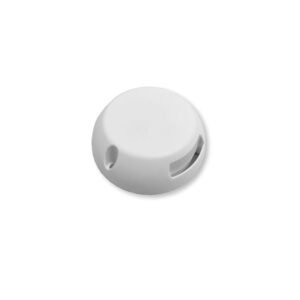
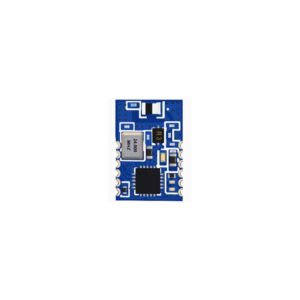
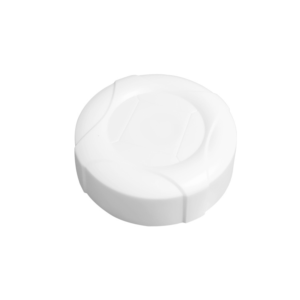
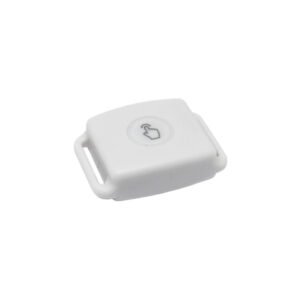
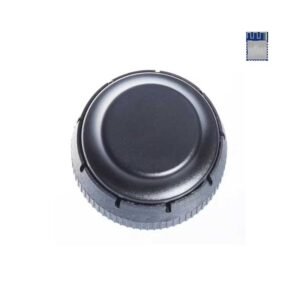
A Bluetooth Beacon deployment that looks perfect on a floor plan often falls apart in the real building. Drywall, shelving, freezers, and human bodies all eat RF, and a 3…
Ship a Bluetooth module with unsigned firmware and you have implicitly trusted anyone who can flash it. A competitor clones your product, an attacker drops a backdoor, or a bad…
A standard BLE Tag is a coin-sized beacon you clip to keys, a laptop, a pallet, or a patient wristband so you can find it later. That same convenience is…
A standard Bluetooth Beacon just broadcasts. It wakes from a timer, pushes an advertising packet, and goes back to sleep. The model assumes a gateway or smartphone is within radio…
An engineer sent me a screenshot: his Bluetooth module pulled 9 milliamps in sleep, and the datasheet promised 1.8. He'd designed the battery around the 1.8. The chip wasn't broken.…
A buyer forwarded me a datasheet: "200 meters." He'd stuck the BLE Tag on a pallet, and it dropped off the gateway at nineteen meters past the door. The number…
A plain advertising beacon only answers one question: "where is this tag?" Add a sensor — temperature, humidity, acceleration, light — and the same hardware becomes a distributed measurement node…
A warehouse supervisor showed me a graph that looked like a heartbeat on espresso. The RSSI from one Beacon was swinging forty decibels every few seconds, and his location engine…
Time Difference of Arrival (TDOA) positioning is one of the most accurate approaches in BLE-based indoor localization—but it places the most demanding requirement on the system: all receiving beacons (anchors)…